Best anti-wrinkle cream: the essential active ingredients for preserving skin beauty
- 21/10/2026
- Estimated reading time: 7 to 8 minutes
There is no single ideal formula for all skin types. The best anti-wrinkle cream is, above all, the one that meets your skin's needs, taking into account its type, sensitivity, comfort level, sun exposure, and your sensory preferences. As wrinkles are a natural part of the skin's evolution, their appearance can also be influenced by stress, sleep, UV rays, pollution, dehydration, and lifestyle.
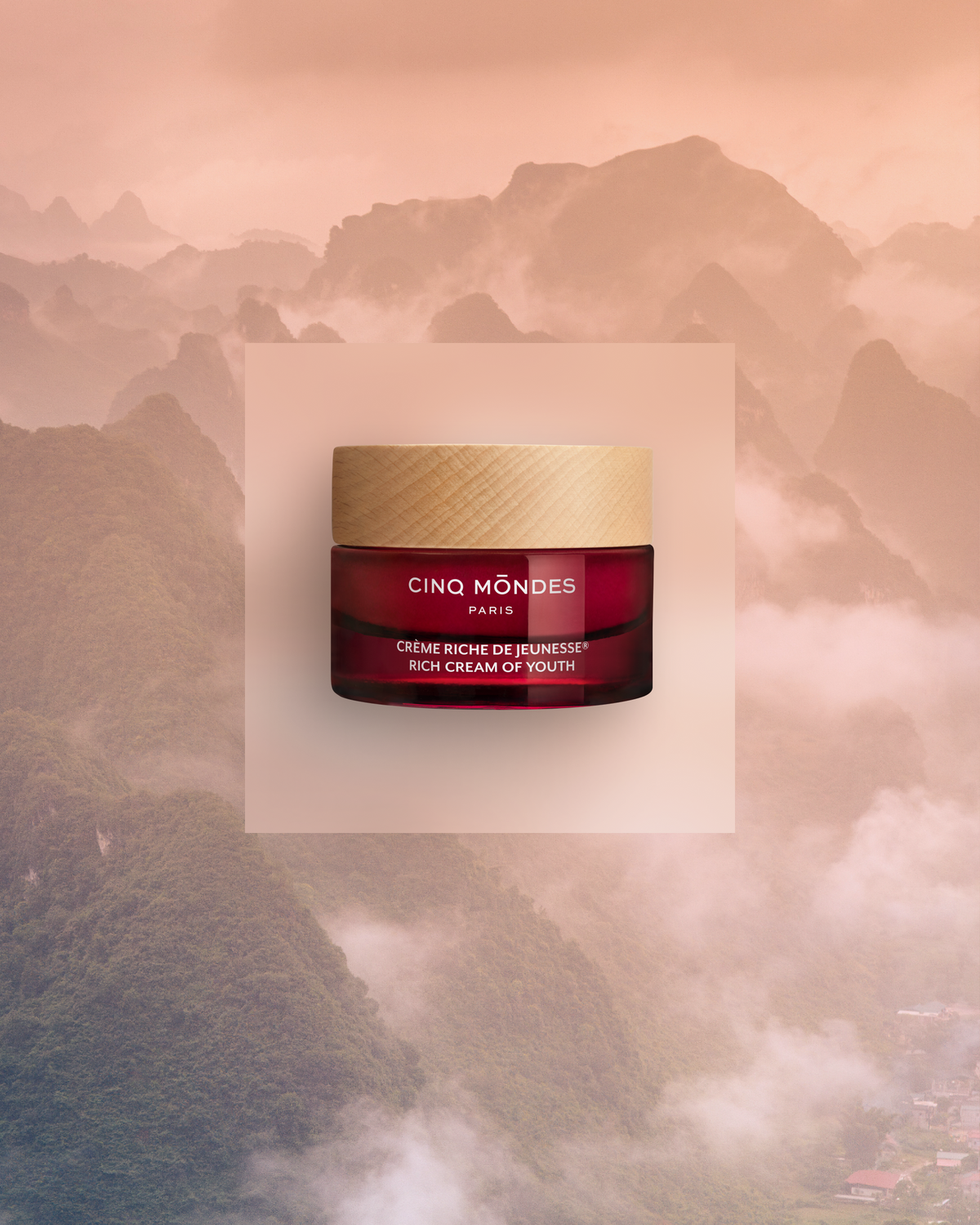
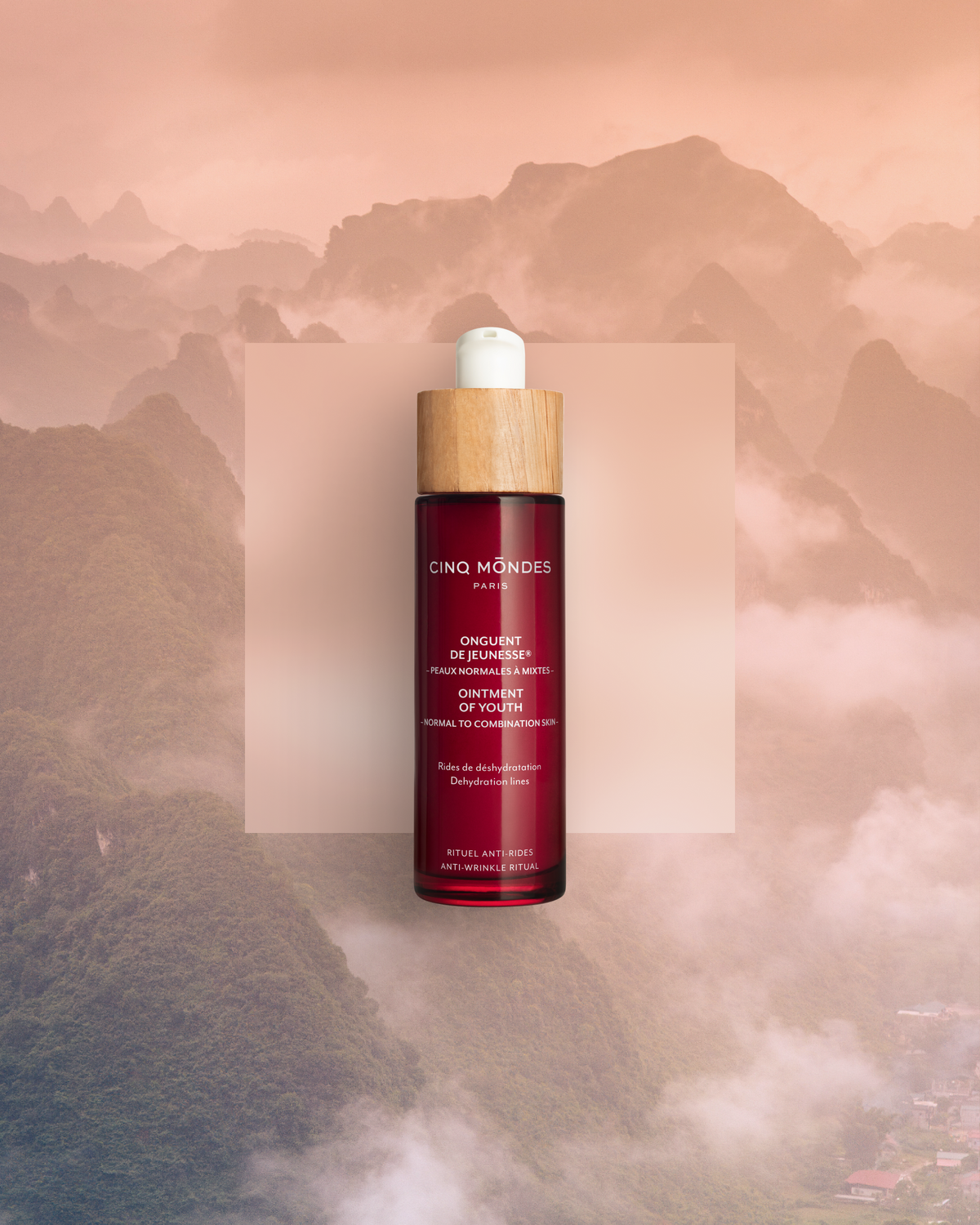
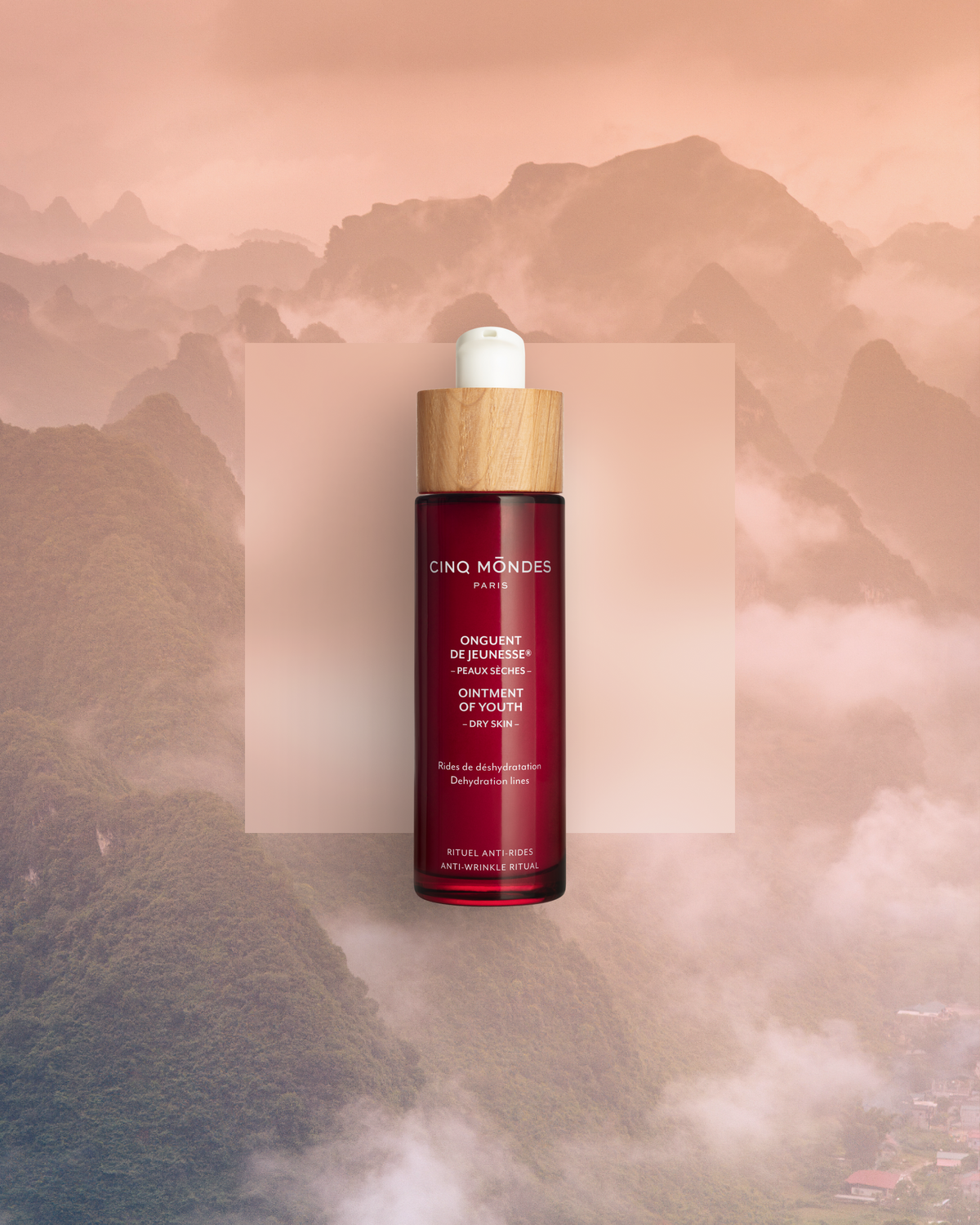
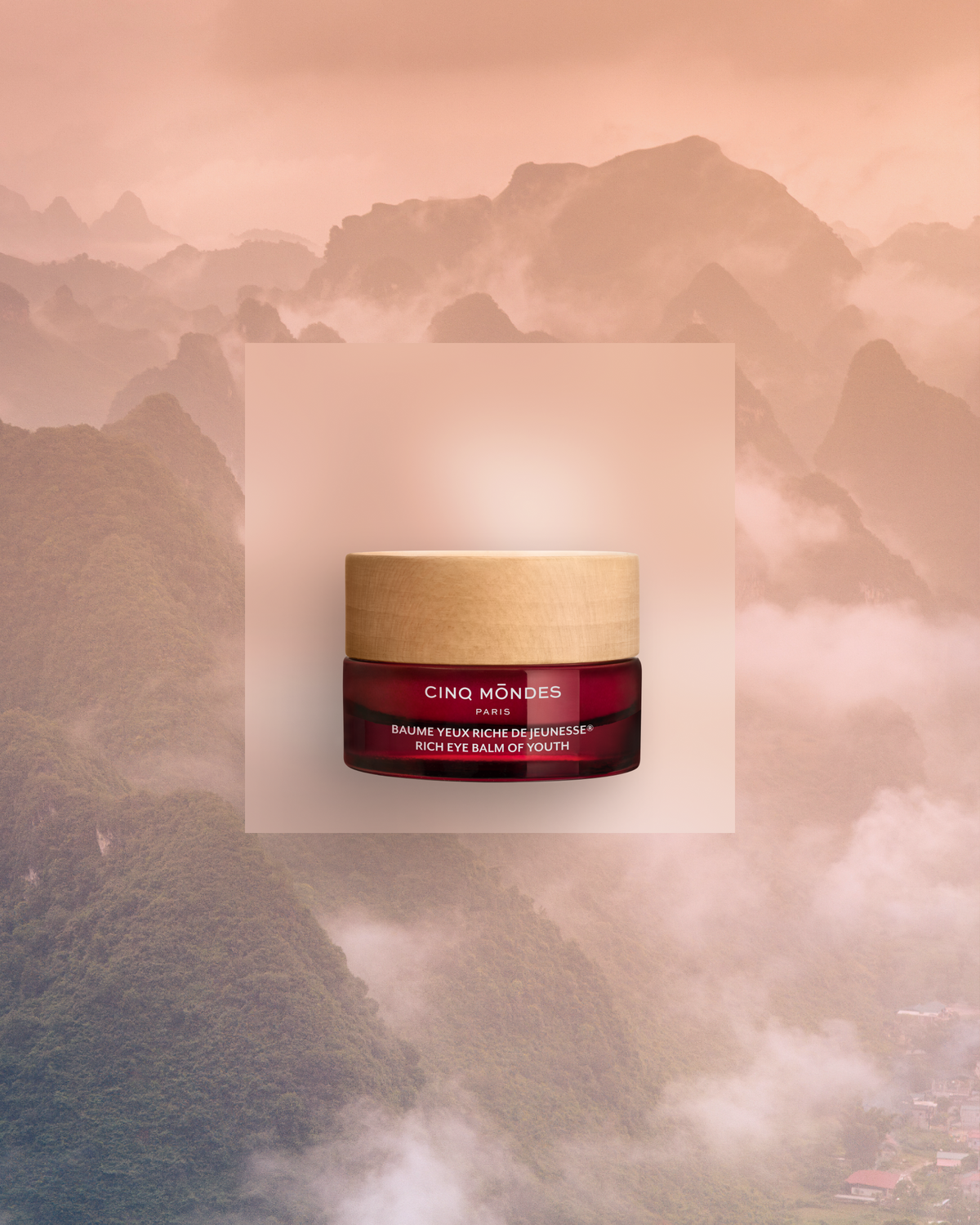
At Cinq Mondes, we favor a regular, sensory, and tailored routine to support the skin over time. Discover in this article how to choose your anti-wrinkle cream, which active ingredients to prioritize, how to adapt your skincare to your skin type, and what daily habits to adopt to preserve comfort, radiance, and suppleness.
Key takeaways
- The best anti-wrinkle cream is the one that meets your skin's real needs.
- Moisturizing, antioxidant, smoothing, or firming active ingredients can complement an anti-aging routine.
- A suitable texture improves the comfort and regularity of skincare use.
- Daily sun protection is one of the essential steps to limit the visible signs of sun-related skin aging.
- Consistency in the routine matters more than multiplying products.
TABLE OF CONTENTS
How to choose the best anti-wrinkle cream for your skin?
The best anti-wrinkle cream is, above all, the one that meets your skin's needs, its hydration level, and visible signs of aging. The choice therefore does not depend solely on age or the product's promise, but also on skin type, the desired texture, and your daily routine.
Several criteria can help you make your choice:
- Skin concerns: wrinkles, fine lines, loss of firmness, dryness, dull complexion, or lack of radiance.
- Skin type: dry, combination, oily, sensitive, or dehydrated.
- Texture: light cream, comfortable emulsion, rich balm, or more enveloping night treatment.
- Existing routine: serum, eye contour, day cream, and sun protection must be taken into account to create a coherent ritual.
- Season: a richer texture may be appreciated in winter, while a light formula is often more pleasant when temperatures rise.
Regular application also plays an essential role. The visible effects of a treatment depend notably on its formula, regularity of use, and the overall condition of the skin.
Wrinkles, fine lines, and loss of firmness: what are the differences?
Signs of aging can take different forms, and several concerns can be found on the same skin.
- Dehydration fine lines: often more visible when the skin lacks water and comfort.
- Expression lines: linked to repeated facial movements, especially around the eyes, forehead, and mouth.
- Established wrinkles: more marked and visible at rest, they gradually set in over time.
- Skin laxity: it manifests as a loss of tone, bounce, or contour definition.
- Lack of radiance: the complexion may appear less fresh, less even, or more tired.
A skin can thus simultaneously need hydration, comfort, radiance, and a treatment targeted at visible signs of aging. The essential thing is to favor a tailored and regular routine rather than multiplying products.
What are the best active ingredients to look for in an anti-wrinkle cream?
The active ingredients to prioritize in an anti-wrinkle cream depend above all on your skin's needs. Some are particularly interesting for hydration and comfort, while others help improve radiance, the appearance of wrinkles, or firmness. The essential thing is therefore to choose a formula consistent with your skin's concerns.
|
Active ingredient or family of active ingredients |
Role in an anti-aging routine |
For which needs? |
|
Hyaluronic acid |
Helps maintain hydration and visibly plumps the skin |
Dehydration fine lines, lack of comfort |
|
Antioxidants |
Help protect the skin against oxidative stress linked to external aggressions |
Dull complexion, prevention of visible signs of aging |
|
Peptides |
Can help improve the appearance of firmness and skin suppleness |
Loss of tone, visible wrinkles |
|
Niacinamide |
Helps improve the appearance of a more even complexion and supports skin comfort |
Uneven complexion, weakened skin |
|
Retinol or retinol derivatives* |
Used in certain formulas to act on the appearance of wrinkles and skin texture |
Established wrinkles, uneven texture |
|
Plant extracts and precious oils |
Provide comfort, nourishment, and a sensory experience depending on their nature |
Dry skin, discomfort, loss of suppleness |
Skincare products containing retinol or its derivatives should be used following the product's recommendations, with a gradual introduction and daily sun protection. In case of pregnancy, breastfeeding, or particular sensitivity, ask a healthcare professional for advice.
Hydration, a pillar for visibly smoothing fine lines
Dehydrated skin can make fine lines more visible and lose suppleness. A cream combining moisturizing active ingredients and emollient agents helps improve comfort and the skin's plump appearance.
Among the ingredients commonly used for their moisturizing properties, we find hyaluronic acid, glycerin, and certain moisturizing sugars.
Antioxidants to support the skin against daily aggressions
The skin is exposed daily to different external factors, such as UV rays, pollution, but also fatigue, stress, tobacco, or an intense lifestyle. These factors can contribute to oxidative stress.
Anti-aging skincare products thus frequently incorporate antioxidants, such as vitamin C, vitamin E, polyphenols, or certain plant extracts, to support the skin against these aggressions.
Firming and smoothing active ingredients for established signs of aging
For more visible wrinkles or lack of firmness, certain formulas combine peptides, plant extracts, or vitamin A derivatives. These active ingredients can be integrated into a routine designed to visibly improve the appearance of wrinkles, texture, and skin firmness.
As with any targeted active ingredient, their introduction should remain gradual, especially when the skin is sensitive or reactive. Consistency and the adaptation of the treatment to the skin's needs remain essential.
Which anti-wrinkle cream to choose according to your skin type?
The choice of an anti-wrinkle cream also depends on the skin type and its specific needs. The same texture will not necessarily suit dry, combination, or sensitive skin. To choose a routine adapted to your needs, discover our anti-aging skincare, designed to support the skin at every stage of its evolution.
For dry or uncomfortable skin
Dry skin generally appreciates rich and enveloping textures, which provide a sensation of comfort and suppleness. Favor creams or balms combining moisturizing active ingredients with nourishing ingredients, such as certain plant oils or butters.
Depending on the skin's needs, the treatment can be applied morning and evening to sustainably support its comfort.
For combination to oily skin
Combination or oily skin can also show signs of dehydration or aging. In this case, favor a light and comfortable texture, such as an emulsion or a gel-cream.
The goal is to find the right balance between hydration, lightness, and comfort, without an overly rich sensation on the skin.
For sensitive or reactive skin
Sensitive skin can favor gentle and minimalist formulas, adapted to its tolerance level. When a new treatment is introduced, it is preferable to do so gradually and, if necessary, perform a tolerance test.
It is also recommended to avoid multiplying several potentially sensitizing active ingredients at the same time.
Note: in case of persistent redness, significant irritation, or skin pathology, ask a dermatologist or healthcare professional for advice.
For mature skin seeking firmness
Over time, the skin may seek more comfort, nourishment, and firmness, while presenting more visible wrinkles, a less radiant complexion, or a loss of bounce.
A complete routine can combine, depending on needs, serum, day cream, night cream, and eye contour. All these steps are not essential: the essential thing remains to build a tailored and regular ritual.
Discover our anti-wrinkle creams to choose a texture and ritual adapted to your skin's needs.
At what age should you start using an anti-wrinkle cream?
There is no universal age to start using an anti-wrinkle cream. The most relevant time depends above all on the condition of the skin, its sun exposure, its comfort level, and the eventual appearance of the first signs of aging. Lifestyle and skincare habits can also be taken into account.
A gradual approach allows you to adapt your routine to the skin's needs:
- From the first concerns about radiance or dehydration: prioritize hydration, antioxidants, and daily sun protection.
- When the first fine lines appear: choose a cream targeted at hydration, radiance, and the smoothed appearance of the skin.
- When wrinkles and loss of firmness are more visible: prioritize a routine more focused on comfort, nourishment, and smoothing or firming active ingredients.
Starting an anti-aging routine therefore does not mean waiting for established wrinkles to appear. Prevention also relies on simple and regular habits, notably sun protection, good hydration, and a balanced lifestyle. The regularity of the ritual remains essential to support the skin over time.
How to apply an anti-wrinkle cream to optimize your ritual?
The application of an anti-wrinkle cream is an integral part of the skincare ritual. Gentle and regular gestures allow the product to be distributed evenly while transforming this moment into a true moment of well-being. Massage does not replace the active ingredients in the formula, but it can make the application more pleasant and encourage a regular routine.
The steps for morning and evening application
To easily integrate your anti-wrinkle cream into your ritual, a few simple steps are enough:
- Cleanse the skin: apply the cream to a clean and gently dried face.
- Apply the serum: if your routine includes one, use it before the cream.
- Take a small amount of cream: a pea-sized amount is generally enough for the face and neck.
- Warm the product between your hands: this gesture prepares the cream and makes the application more pleasant.
- Smooth from the center outward: distribute the cream on the forehead, cheeks, chin, and facial oval with gentle movements.
- Do not forget the neck and décolletage: apply the treatment with delicate gestures moving upwards toward the chin.
- In the morning, apply sun protection: it constitutes the last step of the routine.
Take the time to perform these steps without pressure: beyond the treatment itself, the regularity of this ritual helps make the application a true daily moment of well-being.
What daily habits to combine with an anti-wrinkle routine?
An anti-wrinkle cream fully takes its place in an overall routine. The longevity of the skin does not consist in fighting its natural aging, but in adopting regular habits to sustainably preserve its comfort, radiance, and healthy appearance.
A few simple habits can accompany your routine daily:
- Apply a suitable sun protection every day, even when the sky is overcast.
- Gently remove makeup and cleanse the skin, especially in the evening.
- Favor a simple and regular routine, adapted to your skin's needs.
- Avoid changing products too frequently to better observe their effect and the skin's reaction.
- Take care of your lifestyle, notably sufficient hydration, quality sleep, and a varied diet.
- Limit tobacco and exposure to environmental aggressions as much as possible.
- Adapt your routine according to the seasons and the evolution of your skin.
The 4 pillars of an anti-aging routine
1. Cleanse
Remove impurities and prepare the skin to receive treatments.
2. Treat
Incorporate, depending on needs, a targeted serum.
3. Hydrate and nourish
Choose a cream adapted to the skin type and its concerns.
4. Protect
Apply a suitable sun protection daily.
FAQ – Your questions about the best anti-wrinkle cream
What is the best anti-wrinkle cream after 50?
There is no single ideal cream after 50. Favor a formula adapted to your skin's needs: comfort, nourishment, hydration, radiance, visible wrinkles, or loss of firmness. A regular routine combining several complementary treatments can also be considered.
Can an anti-wrinkle cream make wrinkles disappear?
An anti-wrinkle cream does not make wrinkles permanently disappear. However, depending on its formula and regularity of use, it can help visibly improve hydration, suppleness, texture, and the appearance of signs of aging.
Should you use an anti-wrinkle cream in the morning and evening?
This depends on the product and your skin's needs. A cream can be used morning and evening when it is formulated for that. In the morning, remember to complete your routine with a suitable sun protection.
What is the difference between an anti-wrinkle cream and an anti-aging cream?
Both terms are often used to refer to treatments designed to support the visible signs of aging. An anti-wrinkle cream focuses more on the appearance of wrinkles and fine lines, while an anti-aging cream can have a more global approach, including hydration, radiance, firmness, and comfort.
Can you combine a serum and an anti-wrinkle cream?
Yes. The serum is generally applied before the cream to complete the routine with targeted active ingredients. However, the combination depends on the formulas used and the skin's needs. For sensitive skin, it is best to introduce new active ingredients gradually.